
Understanding the hidden effects of gambling on mental health
The Psychological Impact of Gambling
The psychological effects of gambling can be profound and often go unnoticed until they escalate into severe mental health issues. Many individuals initially view gambling as a fun escape or a way to relieve stress; however, the thrill of winning can quickly morph into a perilous cycle of dependency. For some, the adrenaline rush associated with betting can lead to increased anxiety and an overwhelming sense of pressure to continue gambling, even when it becomes detrimental to their well-being. For those looking for reliable gaming options, memocasinos-uk.com/ offers a great selection.

Compulsive gambling, often termed gambling disorder, affects thousands of people worldwide. Individuals suffering from this condition may experience a range of mental health issues, including depression and anxiety, stemming from their inability to control their gambling behaviors. This condition can create a vicious cycle where the stress from gambling losses exacerbates mental health challenges, leading individuals to gamble more in a desperate attempt to recover their losses. Understanding this cycle is crucial for those who gamble and their loved ones, as it highlights the need for awareness and support.
Moreover, the stigma surrounding gambling can prevent individuals from seeking help for their mental health issues. Many feel ashamed or embarrassed about their gambling habits, fearing judgment from family and friends. This isolation can further exacerbate feelings of depression and anxiety. Increasing public awareness and education about the mental health effects of gambling is essential for creating an environment where individuals feel safe to seek help and support.
The Social Consequences of Gambling
Gambling does not only affect the individual; it also has significant social ramifications. Relationships with family and friends can suffer as a result of gambling addiction, with trust often eroded due to deceit or financial instability. Those who gamble excessively may find themselves withdrawing from social interactions, preferring the company of machines or cards over loved ones, leading to feelings of loneliness and isolation.
The social consequences can manifest in various ways, from financial strain on families to difficulties at work. Individuals may neglect responsibilities or underperform in their jobs due to their preoccupation with gambling. This not only affects their professional life but can also lead to issues with employers and coworkers, further isolating the gambler from their social circle. The ripple effect of gambling can thus extend far beyond the individual, impacting the broader community.
Support networks often play a crucial role in addressing the social impacts of gambling. Family and friends can provide much-needed encouragement and assistance, but they also need to be educated about the mental health aspects associated with gambling. By fostering open conversations about the impacts of gambling and encouraging collective understanding, the burden of gambling can be shared, alleviating some of the mental distress it causes.
Debunking Myths about Gambling and Mental Health
There are several prevalent myths surrounding gambling and its effects on mental health that can perpetuate misunderstanding and stigma. One common myth is the belief that gambling is merely a financial issue; however, this perception ignores the underlying psychological struggles that accompany gambling addiction. Individuals may face severe emotional turmoil long before they ever encounter financial difficulties, making it imperative to recognize gambling as a complex mental health issue.
Another prevalent misconception is that only a small percentage of gamblers develop serious problems. In reality, studies suggest that a significant number of individuals engage in risky gambling behaviors that can lead to mental health issues. The idea that gambling is a harmless pastime for the majority downplays the serious consequences that many experience. Education and awareness are key to dismantling these myths and fostering a more comprehensive understanding of the dangers associated with gambling.
Furthermore, the belief that seeking help for gambling addiction is a sign of weakness is a damaging myth that prevents many from accessing necessary resources. In reality, asking for support demonstrates strength and a commitment to overcoming challenges. Mental health professionals emphasize the importance of addressing gambling issues head-on, as early intervention can lead to more favorable outcomes and improved overall well-being.
Strategies for Coping with Gambling-related Mental Health Issues
Recognizing the hidden effects of gambling on mental health is the first step towards recovery, but developing effective coping strategies is equally essential. Therapy can play a crucial role in helping individuals understand the psychological triggers that lead to gambling behavior. Cognitive-behavioral therapy (CBT), in particular, has shown promise in addressing gambling addiction by helping individuals reframe their thought patterns and develop healthier coping mechanisms.
Support groups can also provide invaluable resources for those grappling with gambling addiction. Engaging with others who have faced similar challenges can foster a sense of community and understanding. These groups often encourage individuals to share their experiences, coping strategies, and successes, promoting a positive atmosphere for recovery. Together, they can build a network of support that reinforces the importance of seeking help and striving for change.
Additionally, establishing a structured routine can help individuals reduce the temptation to gamble. By filling their time with constructive activities and hobbies, they can redirect their focus away from gambling. This proactive approach not only aids in recovery but can also enhance overall mental health. Exercise, creative pursuits, and mindfulness practices can all serve to improve mood and provide healthier outlets for stress.
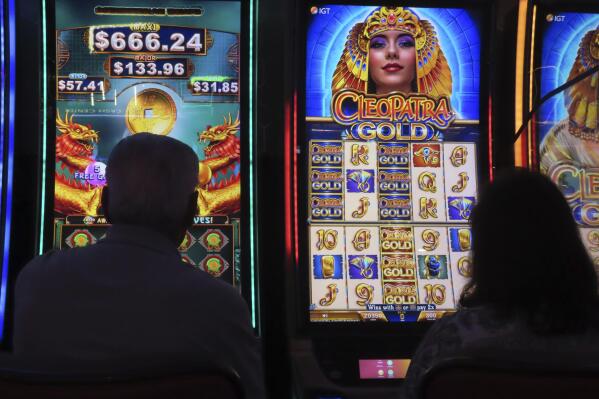
Memo Casino’s Commitment to Responsible Gaming
Memo Casino recognizes the critical importance of mental health and the hidden effects of gambling. The platform prioritizes responsible gaming by implementing measures designed to protect players and promote healthy gaming habits. With a dedicated team focused on player well-being, Memo Casino offers resources and tools to help users manage their gambling activities effectively.
In addition to providing a wide selection of games, Memo Casino emphasizes the importance of player education regarding the potential risks of gambling. By providing information on responsible gambling practices, the site aims to foster a safe gaming environment where players can enjoy entertainment without compromising their mental health. This approach ensures that individuals are informed about setting limits and recognizing when it may be time to take a break.
Memo Casino also offers support for players who may be experiencing challenges related to gambling. With a commitment to transparency and fairness, the platform enables users to make informed decisions while enjoying their gaming experience. Through ongoing initiatives, Memo Casino strives to be a leader in promoting mental health awareness within the gaming community, reinforcing the notion that entertainment should never come at the cost of personal well-being.